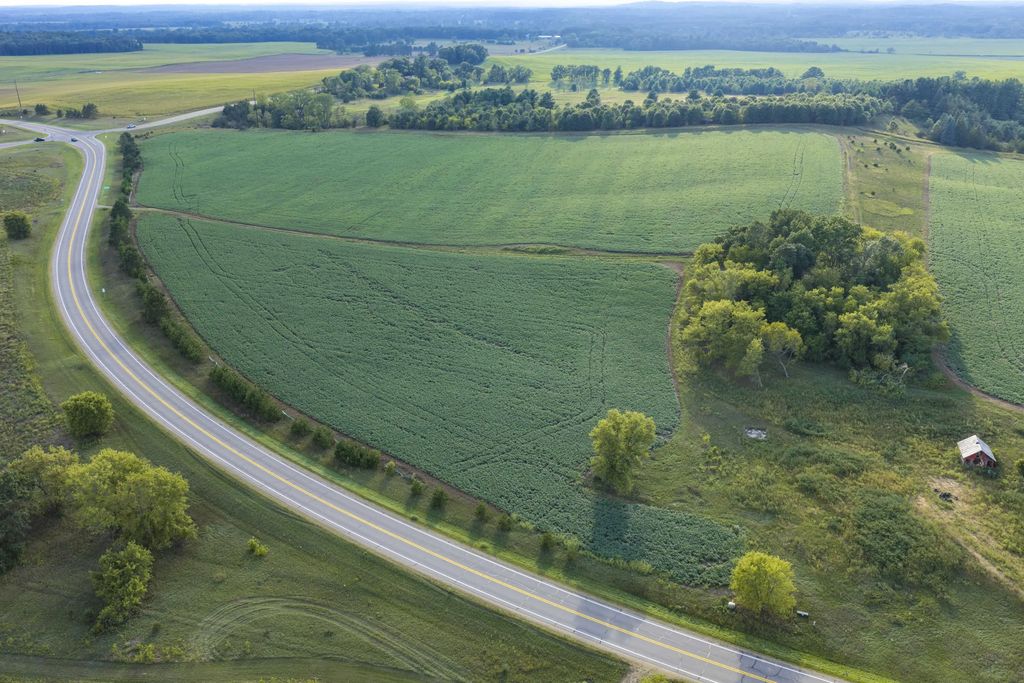
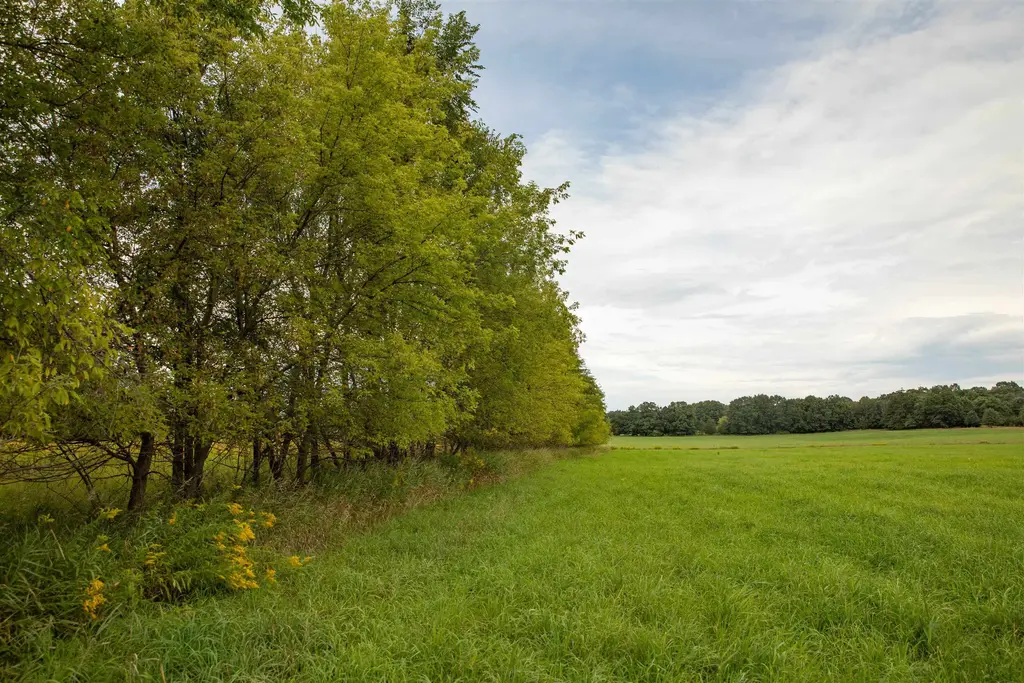
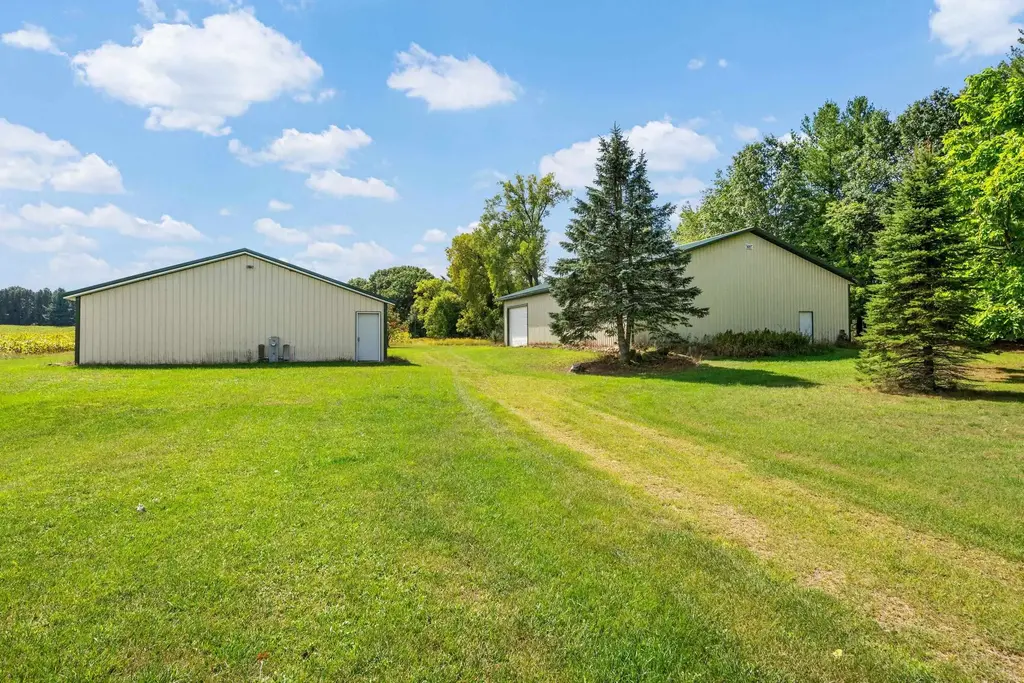
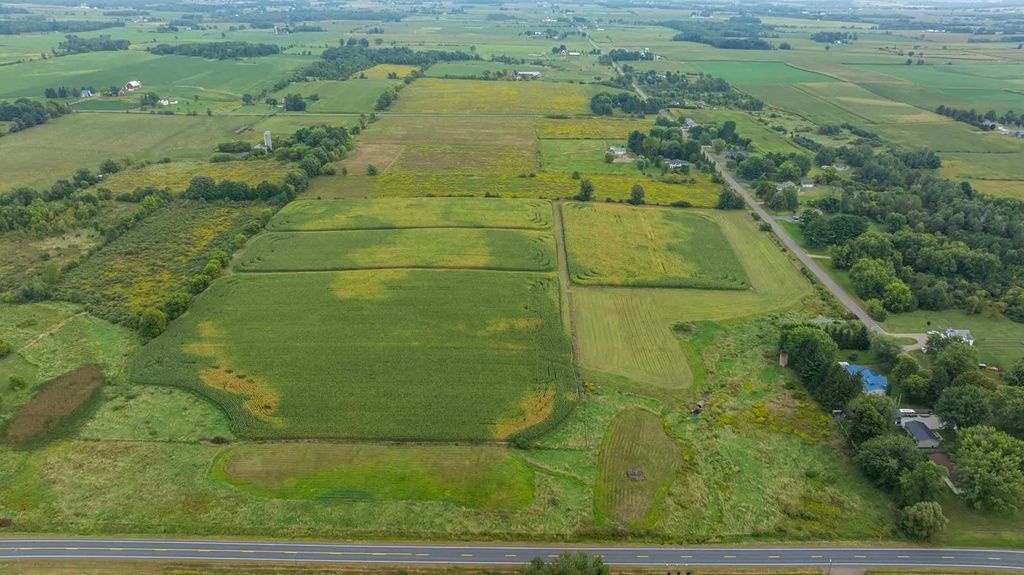
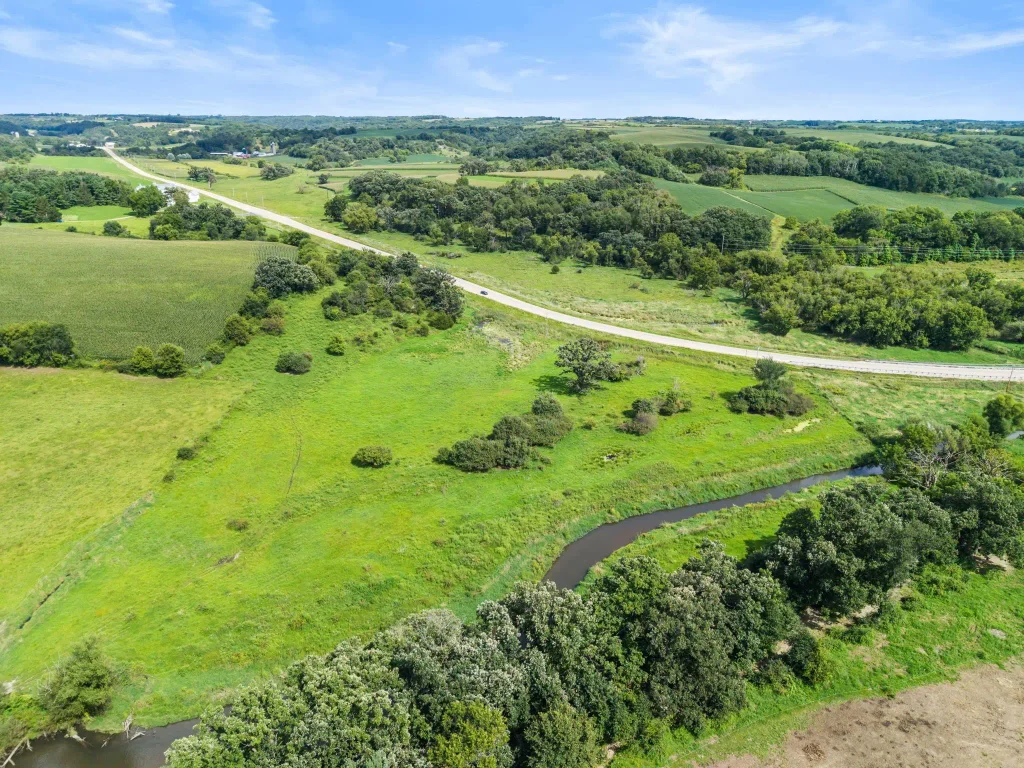
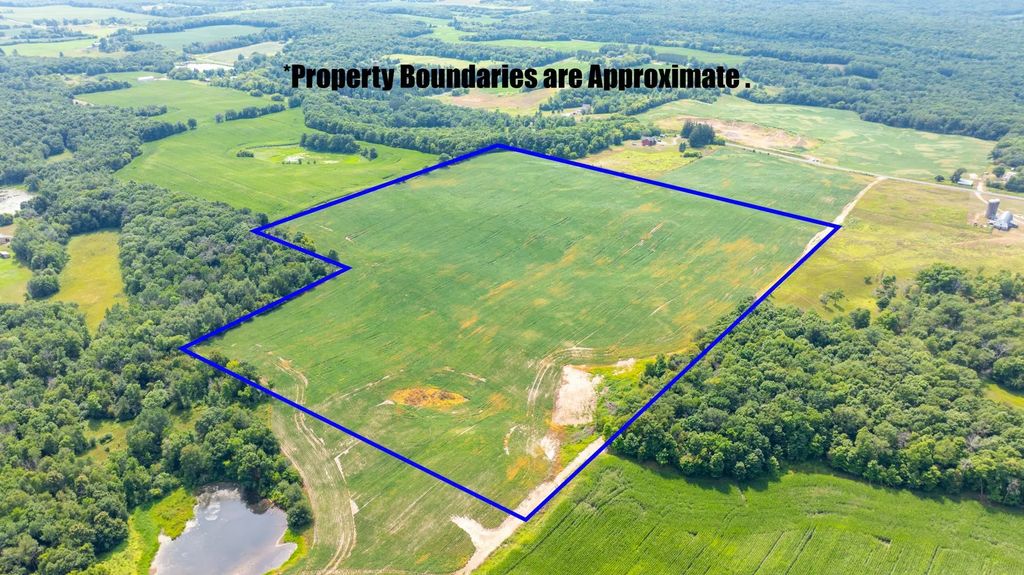
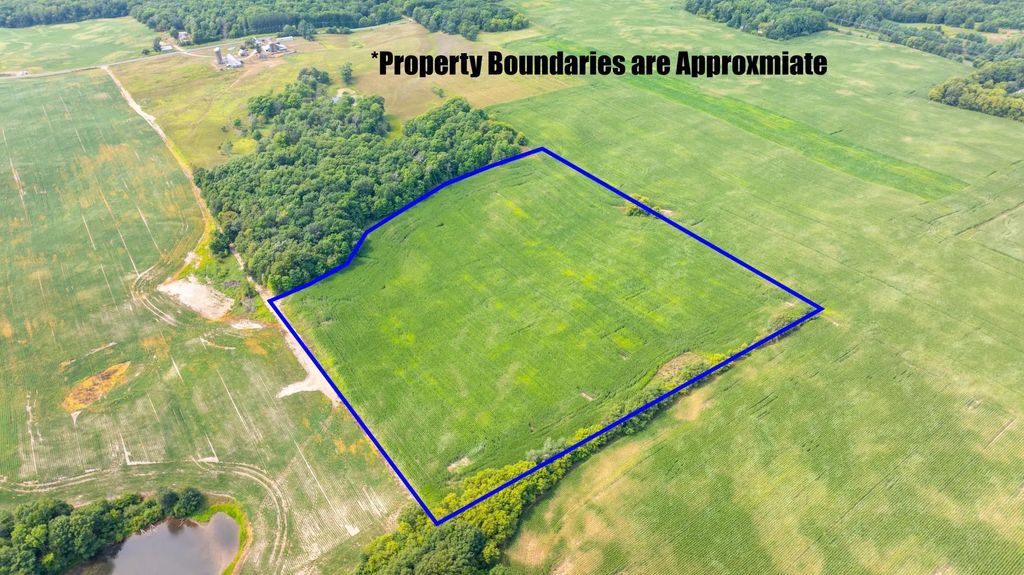
As of September 8, 2026 there are Array active Wisconsin Tillable land & farm listings for sale with an average listing price of $. The highest-priced land listing is $, while the lowest priced land listing can be purchased for $. Wisconsin Tillable land & farm listings have an average price of $ per acre, based on land listings with an average of acres.
Wisconsin Tillable Land For Sale
Wisconsin is known for its fertile farmland, which has played a critical role in the state's agricultural industry. Tillable land in Wisconsin has been in high demand for many years due to its favorable soil conditions and temperate climate. In this article, we'll explore the importance of tillable land in Wisconsin and the benefits it provides to the state's agricultural industry.
Tillable land is land that is suitable for cultivation, meaning it has the necessary soil quality, drainage, and topography to support plant growth. In Wisconsin, there are approximately 13.5 million acres of land, of which approximately 5.9 million acres are tillable. This represents roughly 44% of the state's total land area.
The importance of tillable land in Wisconsin cannot be overstated. Agriculture is a critical industry in the state, accounting for over $100 billion in economic activity annually. The state is known for producing a wide range of agricultural products, including dairy, beef, corn, soybeans, and potatoes, among others. All of these crops require fertile, tillable land to grow, making it a valuable commodity in the state.
One of the main benefits of tillable land in Wisconsin is its ability to support high-yield crops. The state's rich soil, combined with its favorable climate and growing conditions, allows farmers to produce high-quality crops year after year. This, in turn, helps to keep food prices stable and affordable for consumers, while also generating revenue for the state's agricultural industry.
Another benefit of tillable land in Wisconsin is its ability to support a diverse range of agricultural activities. Farmers in the state are able to grow a wide variety of crops, including grains, vegetables, fruits, and livestock, providing a diverse range of products for consumers. This diversity also helps to mitigate risks associated with fluctuations in the market, as farmers can shift their focus to different crops if one particular crop is not performing well.
In addition to its economic benefits, tillable land in Wisconsin also provides a range of environmental benefits. Well-maintained farmland can help to prevent soil erosion, promote water conservation, and support biodiversity. Furthermore, farmers in the state are increasingly adopting sustainable agricultural practices, such as crop rotation and conservation tillage, which help to reduce their environmental impact while also improving the health of their soil.
Despite the many benefits of tillable land in Wisconsin, there are also challenges associated with its use. For example, as demand for agricultural products continues to rise, there is pressure to convert more land into farmland, which can lead to deforestation and other environmental concerns. Additionally, changes in climate patterns, such as increased rainfall or drought, can impact crop yields and make it more challenging for farmers to maintain their land.
In conclusion, tillable land in Wisconsin is a valuable resource that supports the state's agricultural industry and provides a range of benefits to consumers and the environment. As demand for agricultural products continues to grow, it is important for policymakers and stakeholders to ensure that this resource is managed sustainably and that farmers have the support they need to maintain their land while also meeting the demands of the market. By working together, we can continue to enjoy the many benefits of tillable land in Wisconsin for years to come.